EN
EN

EN
- Home
- About Us
-
Products
Products
- Capabilities
- Projects
- News
- Contact Us
2026/05/15
The Closed-Section Design Compared to Open-Section Designs for Resistance to Bending and Torsion
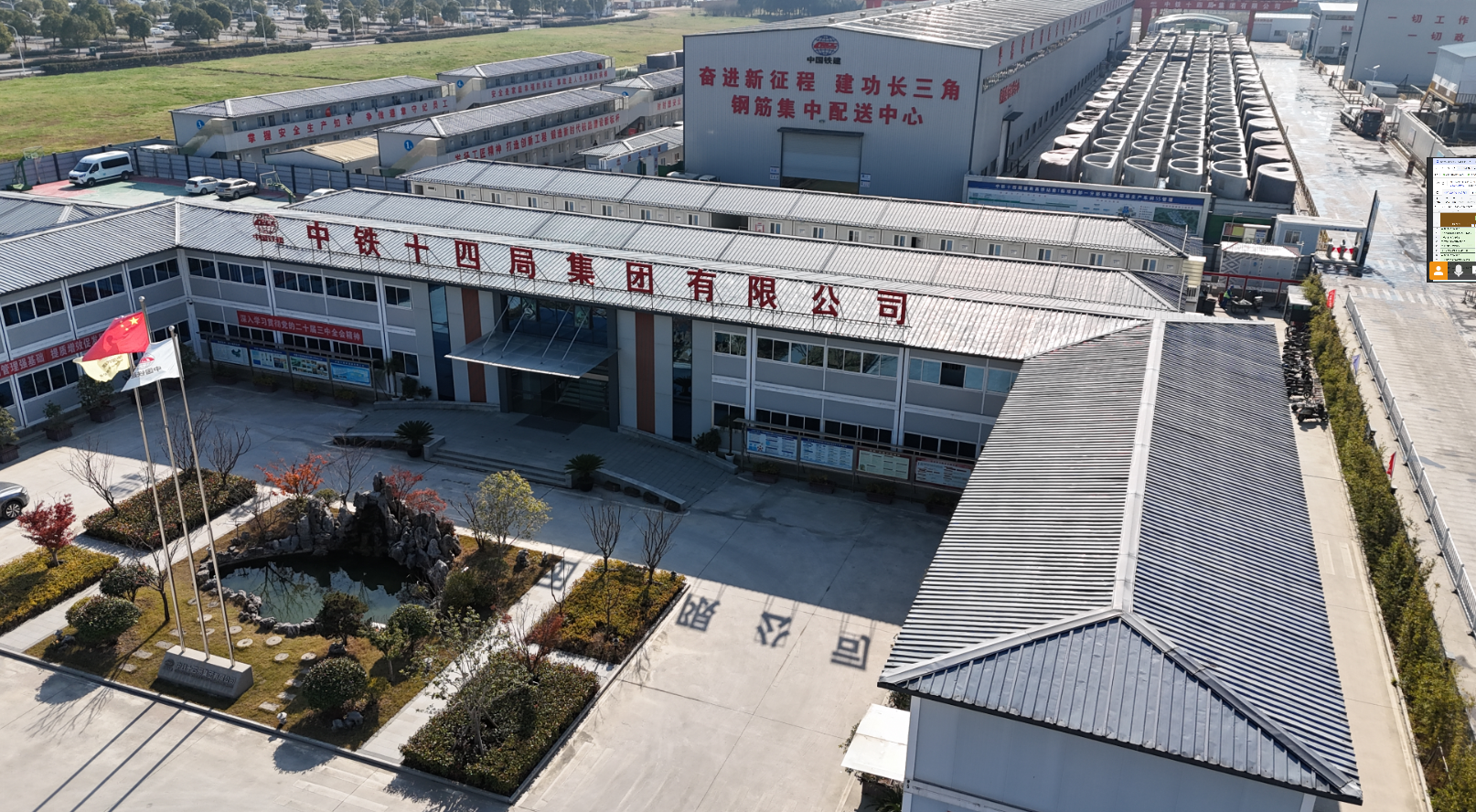
A box girder’s closed cross-section gives it an advantage in torsional stiffness. This property makes it effective for curved bridges or structures under eccentric loads. Open sections, such as I-beams, twist under torque and often require additional bracing or stiffeners. In bending, the top and bottom flanges act as the tension and compression chords respectively, and the vertical webs resist shear. The enclosed geometry of box girders promotes more uniform distribution of stress along the cross-section perimeter, thereby minimizing stress risers and increasing the member’s resistance to fatigue. The intrinsic torsional stability of box girders would eliminate the necessity of complex lateral support systems for long spans or heavily loaded crane girders. This fact would make construction easier, reduce the overall weight of steel, and lower the cost of construction. For structures requiring high bending strength and torsional rigidity, box girders would be the optimal choice.
The Influence of Flange Width, Web Depth, & Wall Thickness on Stiffness and Strength Distribution
Flange width alone is important, but it can only provide a moment of inertia. This causes modulus to be directly related to section stiffness, and will also directly dictate the maximal permissible deflection. The even greater effect is a modification of web depth. Since resistance to section failure is cubic to the section height, modest increases in web depth yield significant increases in capacity thus, multiple increases can be done with very low to no cost increases. Resistance to local buckling is dependent on wall thickness. Reduced wall thickness can lower capacity and also necessitate the addition of internal members in the vertical direction to provide a stronger resistance to compressive or shear stresses. This can also necessitate the addition of stiffeners. As related to the practice of structural design, other factors, such as construction feasibility and cost, also must be considered in such design. For example, with cohesive bridge design, having a concrete slab as the top member can lessen steel usage but have the concrete take the compressive load. A concrete top member is also a good way of taking the compressive strength of the member. Strength, stiffness, serviceability limits, and cost are always optimized with the use of finite element analysis.
Material and Fabrication Factors That Directly Limit Box Girder Load-Bearing Capacity
Balance of Toughness and Yield Strength vs. Fatigue Performance in Steel Grades
Designers select steel grades based on load capacity and fabrication limits. High strength steel (e.g. S460 and higher) can allow for load bearing capacity and increased stiffness with less plate thickness and weight. However, higher yielding strength tends to mean lower toughness and resistance to fatigue, both of which can be particularly important in cyclic load applications like industrial cranes and highway bridges. For instance, 690 MPa quenched and tempered steel can be used to provide an exceptional capacity with static loads, but it has risks of brittle fractures in cold environments, which can be made to be more acceptable by considering Charpy V-notch impact requirements. Fatigue classifications and toughness requirements in the EN 1993-1-9 and AASHTO standards help select quality grades and make engineering decisions to find a good balance of yield strength and ductility. An over brittle steel can lead to a catastrophic failure, and an over ductile steel can lead to excessive material use and poor load efficiency.
Quality Control Measures for Welds in Fabrication
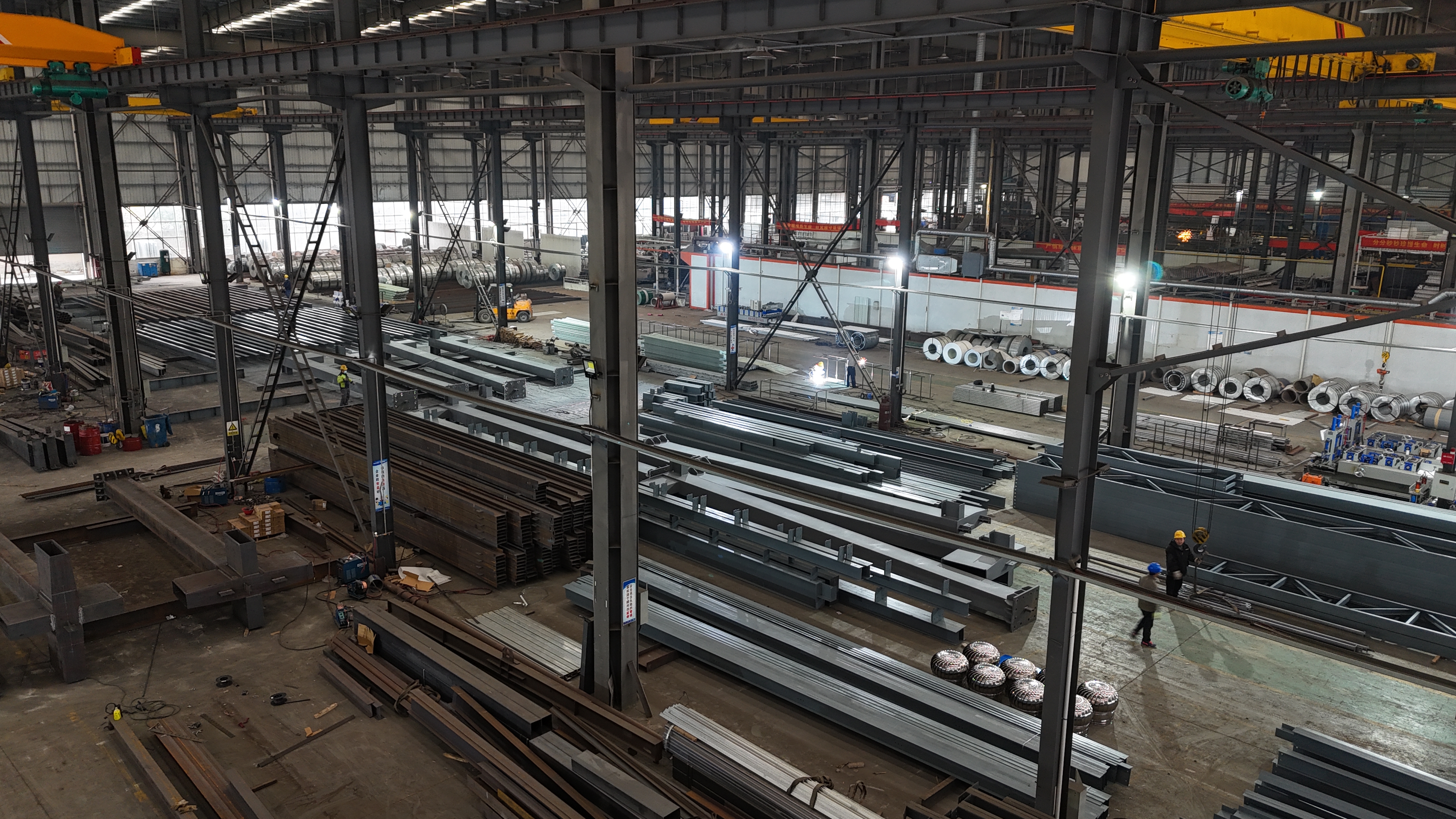
Even the best designed box girder will not function effectively unless it is fabricated accurately and integrally. The main method for joining the box sections is by welding. This method creates residual tensile stresses that are concentrated at the weld toes and at the heat affected zones, which causes the initiation of fatigue cracks and the effective strength of the girder is reduced. Weld discontinuities, such as undercut, lack of fusion, and porosity, are considered to be stress raisers, and may cause failure of the girder under design loads. Heat input, preheating, and cooling between weld passes should be controlled to keep distortion and residual stress to a minimum. The quality of the dimension is also critical as a web that is out of flat by 2–3 mm can shift the location of the neutral axis, cause internal bending and lead to premature local buckling of the girder. Welds and tolerances are most responsible for failures in the field as opposed to the material. Therefore, the full strength of box girders can only be realized when rigorous nondestructive testing (ultrasonic and magnetic particle inspection) and where applicable, post weld stress relief treatments, are practices for safety.
Effect of Load Conditions on Box Girder
A box girder is designed to carry multiple loads that are static and dynamic at the same time through its life. The designer has to consider the effect of each of the loads and the various combinations with regard to load factors to ensure that the box girder does not yield, buckle, and fatigue during its life.
Dead Loads and Live Loads Annual Calculation Combined with Safety Factors
Dead loads are the weight of the girder and elements that are permanently affixed to it. Live loads can be traffic, equipment, and materials that are temporarily stored. Based on the Eurocode and AASHTO, dead and live loads are calculated with partial safety factors, commonly at 1.2 and 1.6, respectively. The internal forces (moment, shear, or axial) are factored and then compared to the girder resistance, which is determined based on the materials and geometry, as well as the buckling checks. This provides the designer with confidence that the allowance is sufficient to prevent yielding, lateral-torsional buckling, or web crippling under the maximum anticipated static scenarios.
Dynamic Effects
Dynamic loads are comprised of wind, seismic accelerations, and millions of axle loads. These loads create working stresses that, over time, diminish capacity. Although the box girder’s closed section provides high torsional rigidity and can resist twisting due to lateral or eccentric dynamic loads, the fatigue life of the section is determined by the range of stresses, detail category, and cumulative damage. The designer will utilize the established methods, be it the Goodman diagram for mean-stress corrections or Paris’ law which describes stress distribution with crack growth, to determine the life of the structure. This is particularly true for long-span bridges and crane runways, which are subjected to repeated stress. Fatigue is an important consideration and frequently is more controlling for the design than static loading. Cumulative degradation of the structure’s fatigue life must be considered, or premature failure will result, despite the fact that capacity is adequate.
1. Why is a box girder better than an I-beam in resisting bending and torsion?
A box girder’s closed cross section provides better torsional stiffness and stress distribution. This makes it better for curved structures or those with eccentric loading.
2. How do the flange width and web (depth) affect box girder performance?
Web depth and flange width influence performance and girder capacity in different proportions. While increasing flange width, or the web depth improve girder capacity, the weight penalty from increasing web depth is significantly lower.
3. How does the selection of steel grade affect box girders?
In general, higher steel grades improve yield strength and fatigue resistance and toughness. Applied at the right grade, a better balance occurs between stiffness and durability.
4. How does quality of weld affect box girder capacity?
Improved weld quality and reduced residual stress prevent crack formation. For maximum capacity, quality of fabrication and stress-relieving techniques must be balanced.
5. Effect of static and dynamic load on a box girder’s life?
Effect of static load is internal strength when first applied. Generally, dynamic load and fatigue is the limiting design consideration.
Explore our latest company news, project cases and industry insights.